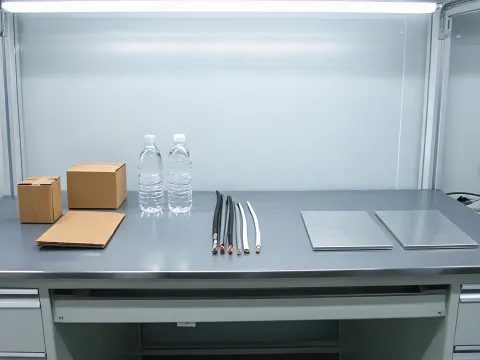
Sample marking benches
Substrate trials compare code density, edge quality, thermal effect, and readability before a system is proposed for a production line.

Videojet work is built around one plain requirement: a code must remain readable on the real product at the real line speed. That standard keeps research, validation, and support focused on practical production outcomes.
Permanent marking is not only a laser source decision. It is the combined result of substrate behavior, optical setup, extraction, guarding, controls, and the operating discipline around every product change.
Videojet application engineering principle
Videojet approaches laser coding as an industrial process, not a decorative engraving step. Packaging plants, extrusion lines, electronics cells, and regulated manufacturing teams need marks that hold up under speed, inspection, cleaning, handling, and traceability audits. The company position reflected in this site is minimal and direct: identify the marking requirement, test the material, document the risks, and select equipment only after those facts are visible.
This approach matters because laser equipment buyers often receive competing claims about power, contrast, and maintenance. A higher wattage source may not solve a poor lens choice. A compact head may still need better guarding. A clean mark in a test room may fail when film tension, bottle movement, or cable vibration changes. Videojet content here keeps those tradeoffs open so engineers, purchasing teams, quality managers, and operations leaders can discuss the same evidence.
Substrate trials compare code density, edge quality, thermal effect, and readability before a system is proposed for a production line.
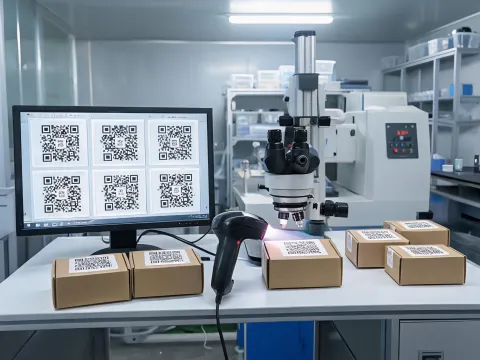
Barcode, 2D code, and human-readable samples are reviewed with practical inspection conditions rather than perfect studio conditions.
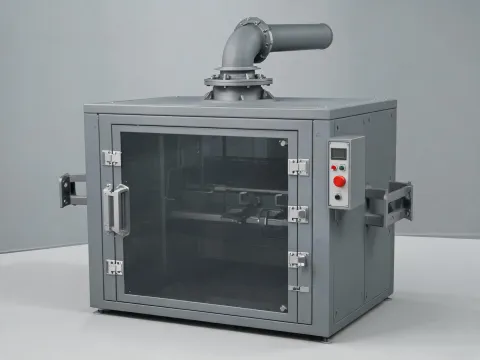
Mechanical and environmental constraints are checked early so safety equipment and exhaust routing are not treated as afterthoughts.
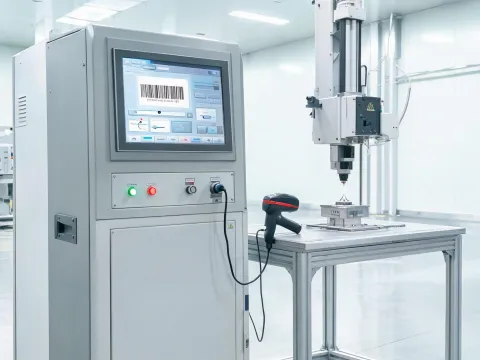
Message handling, product changeovers, and operator screens are reviewed around the people who own uptime on the production floor.
Questions for paperboard, film, glass, PET, metal, cable jacket, and plastic part samples before marking tests begin.
A concise guide for line speed, trigger source, marking distance, enclosure footprint, extraction, and operator access data.
Practical criteria for contrast, scan reliability, mark permanence, and repeatability across packaging and component handling.
A short technical review can expose the practical constraints before the system layout is fixed.
Request Technical Review